Patrick fled his abusive home, seeking refuge on the streets where he learned to survive through sheer resilience for over a year. When TK took him into his home and off the streets, Patrick began to dream again of a better life, finding hope and direction for the first time in years.
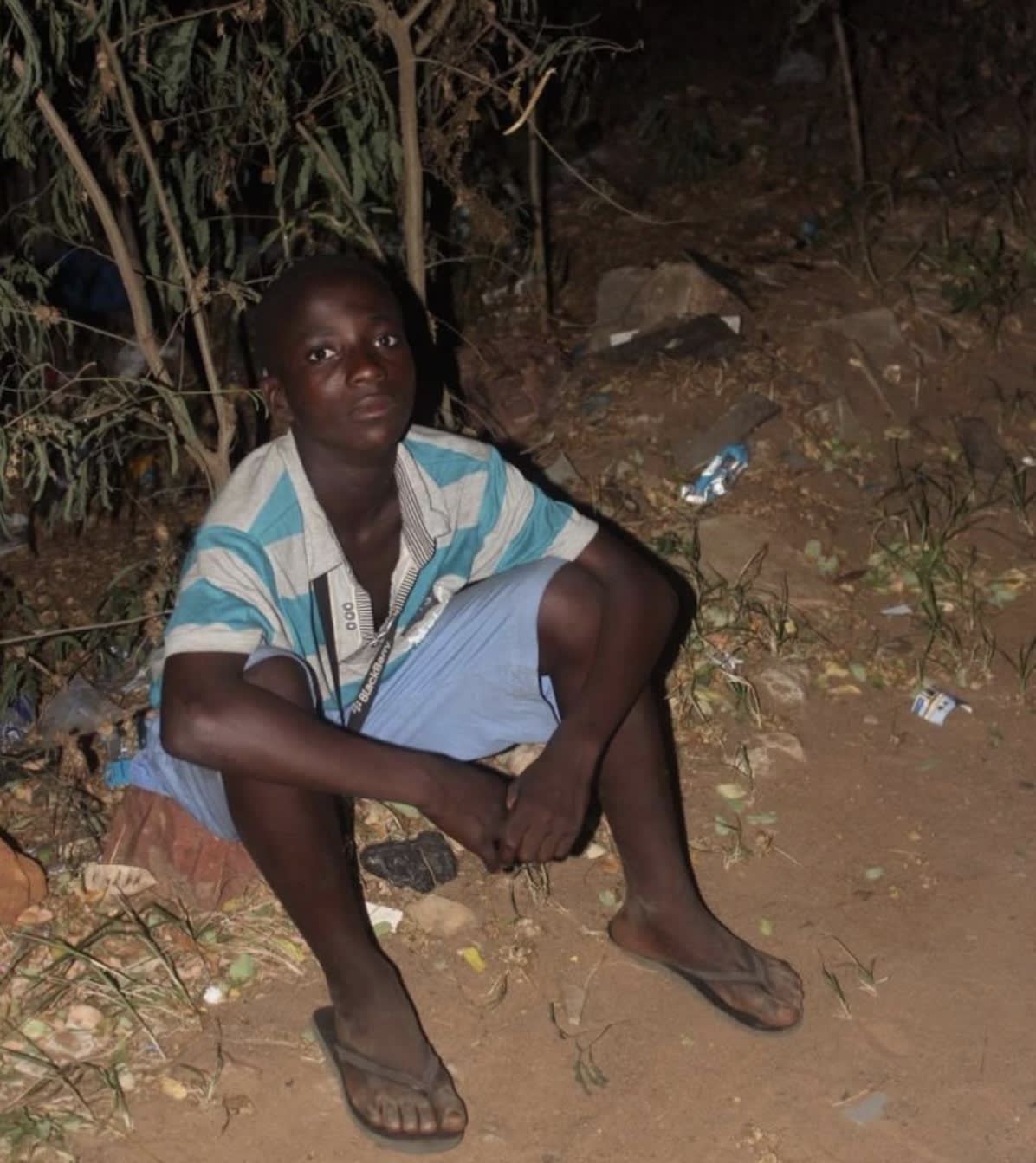
At age eleven Patrick Gyimah made the difficult decision to leave home, choosing the uncertainty of the streets over a home where he no longer felt safe. For 14 months, he was on his own, struggling each day to survive. While adjusting to life on the streets was new, facing hardship was not. By the time Patrick left home, misery, neglect, and fear had already shaped much of his childhood.
Patrick’s early years were marked by instability. His parents separated shortly after he was born, and he lived with his mother until she became overwhelmed by the responsibility of caring for him alone. At age seven, his father took him in, but he too was unable to provide stable care. Instead, Patrick was placed with Aunty Tettey a food vendor who sold kenkey, under the promise that his father would travel to another town to work and return with money to support him. While living with Aunty Tettey, Patrick and two other children were responsible for cooking and selling then selling kenkey around the interchange at Legon, taking on adult responsibilities at a very young age.
When his father eventually returned and took him home, home did not become a place of safety or joy. Patrick’s father could not afford to send him to school and he did not want him roaming around the neighborhood. So he locked Patrick indoors while he went to work and Patrick was left alone for long hours and fed only late in the evening when his father returned from work. Throughout the week, Patrick was forced to stay indoors, with chores as the only way to pass the time. He was not allowed to make friends, and any attempt to step outside or play with the neighbourhood children was met with punishment. Still, he took the risk to sneak out at least twice a week, driven by a deep need to feel free and be a regular child. On nights when he managed to sneak out of the house, he sometimes chose to sleep outside, afraid that returning home and being caught would lead to him being severely beaten.
A neighbor who owned a small shop opposite Patrick’s house noticed he was not attending school and offered to support him by paying his school fees. However, his father did not support him with money for meals or basic school materials. Without these essentials, Patrick struggled to stay in school and was eventually forced to drop out.
Patrick's life became more unbearable when his father took in a new wife and later had another child. With finances stretched thin, his father became easily frustrated. If Patrick asked for anything or made even a small mistake, he would be beaten. It was during this period that Patrick began to consider leaving home. His earlier experiences sleeping out of home gave him a sense of living on his own. Moreover he had a friend who would help him adjust to life on the street. One day at dawn, Patrick feared that if his dad continued to beat him, he could become crippled. He took a few clothes and left home in search of a better life.
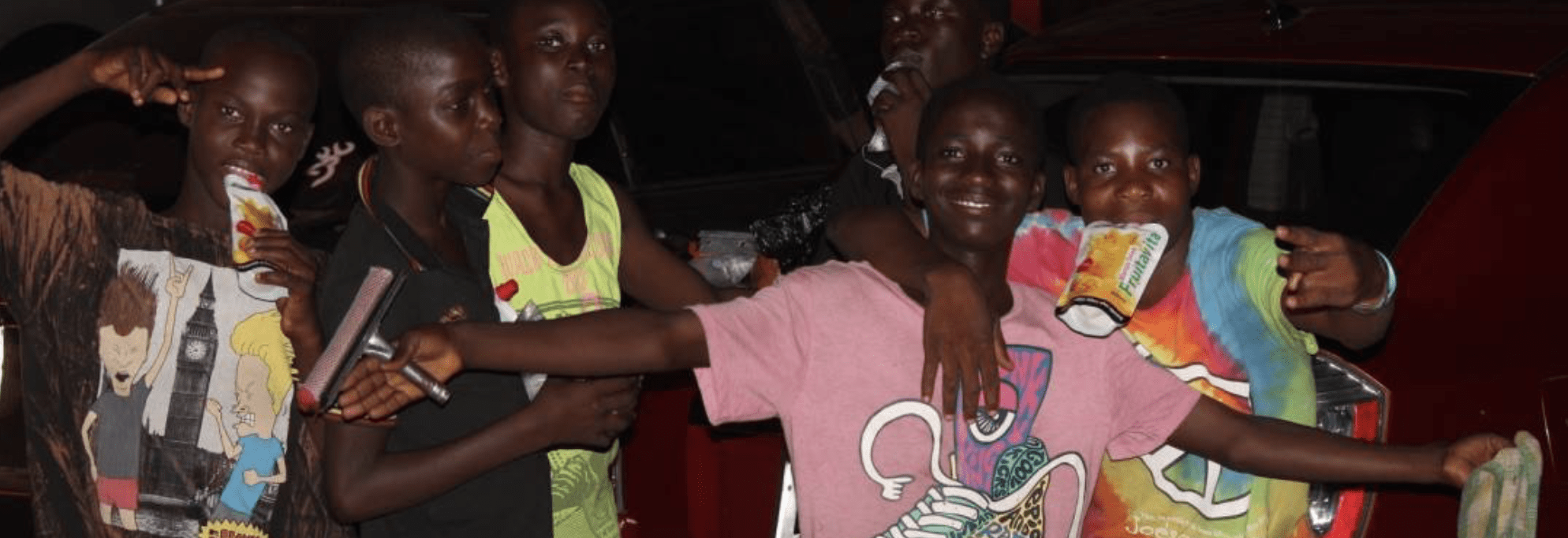
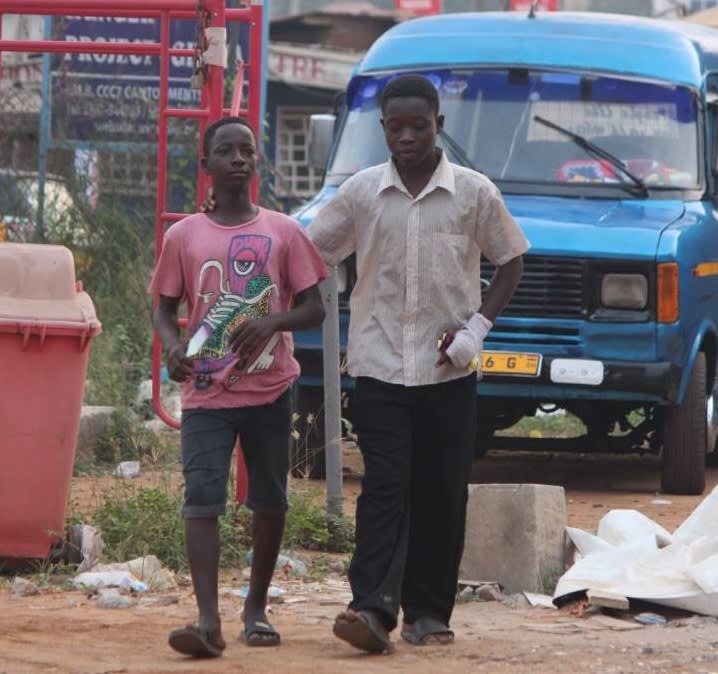
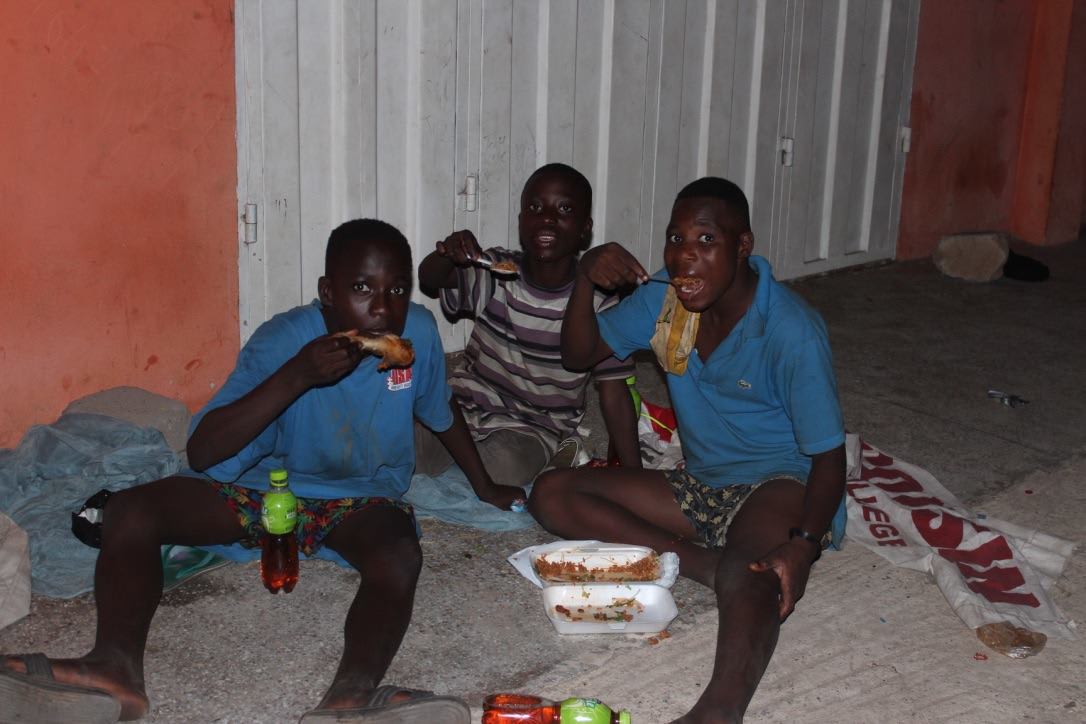
A week after leaving home, Patrick quickly realized that life on the streets was harsh and unforgiving. With no place to sleep and no one to depend on, survival became his daily focus. In his first months, he begged for food and money and later began cleaning windscreens of cars in exchange for money. Many nights he went to bed hungry, and on the worst days he slept on the roadside, using old billboard print materials to cover himself if the rain fell. Patrick was also often beaten by older boys who saw him as weak and took advantage of him. Despite these hardships, Patrick chose to remain on the streets. In his words, “home felt worse than whatever I was experiencing outside.”
-
When I started living on the street, life was terrible, but I always remember that home felt worse than whatever I was experiencing outside
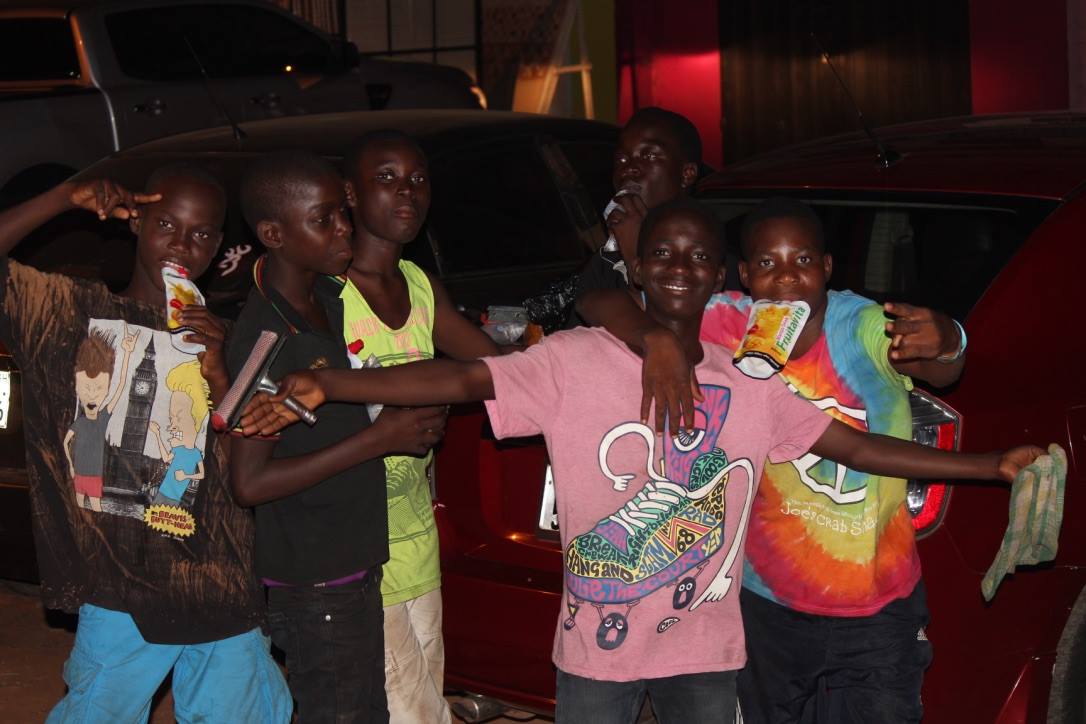
In search of a safer space on the streets, he moved from Legon Village to Okponglo, hoping to escape older boys who frequently took money he got from begging or working. There, he met another street boy, Cyril, and together they supported each other, relying on their shared resilience to survive each day. They had bonded on the streets, having both left home to escape violence from their fathers.
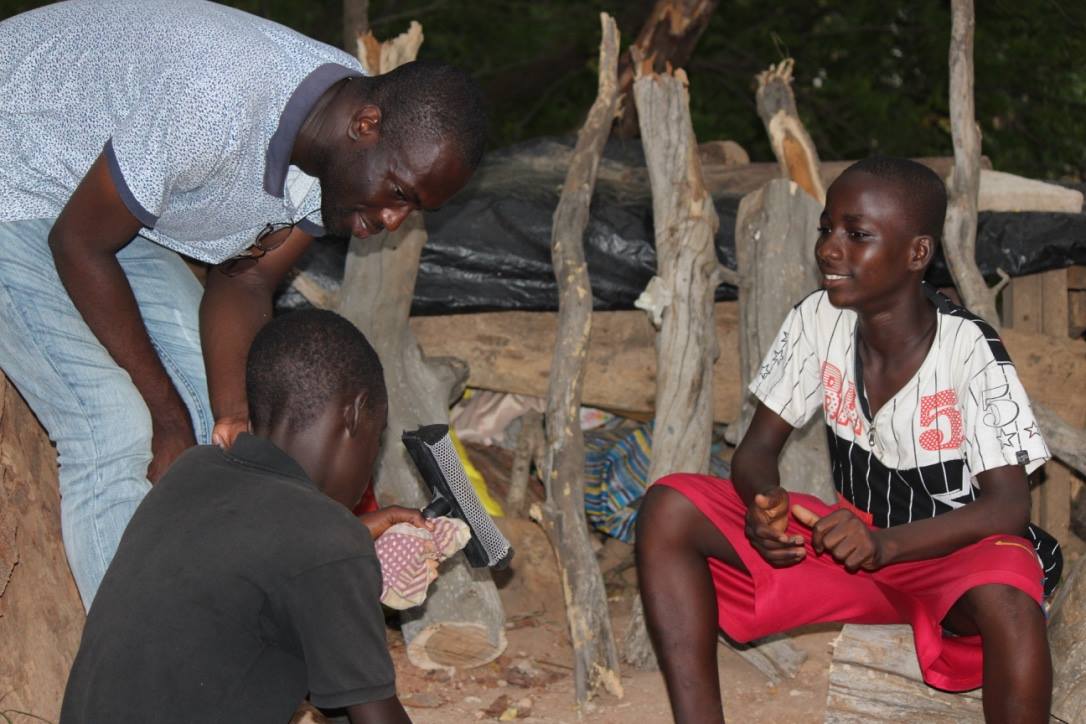
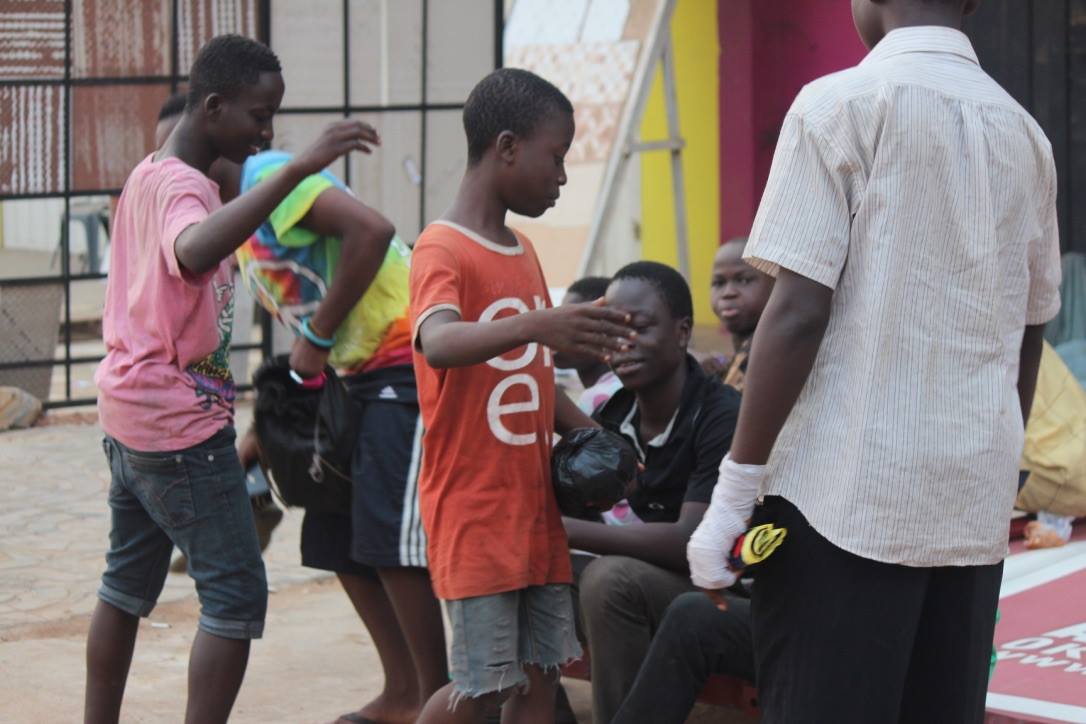
Patrick had spent about a year on the streets when a close friend, Isaac, told him about Future of Africa and how students hanged out with street children on Saturdays. He heard there would be food, and that alone was enough reason to attend. When Patrick showed up, it was exactly as Issac had described. He met Bruh TK and a group of volunteers from Ashesi University who spent hours each week playing games, teaching english and bonding with the youth on the street. What started as a search for a meal slowly became something more. The volunteers kept showing up—listening, talking, and treating him with care. Patrick then began attending the outreach regularly, drawn by their consistency and kindness.
During these outreach sessions, Patrick had many conversations with the volunteers, and connected deeply with Bruh TK, who quickly became fond of both Patrick and Cyril. Each week as they spoke, TK came to understand Patrick better—his quiet resilience, his curiosity, and his deep desire to return to school, even though his education had been inconsistent and repeatedly interrupted.
Patrick was consistent at outreach until he learned that his father was searching for him at Opeibia and Legon. He feared returning home so he moved back to Okponglo with Cyril and began attending outreach only occasionally. When police raids in the area increased, Patrick stopped coming altogether. Each day he moved from one slump settlement to another looking for a new community to settle in. Still, TK did not give up on finding Patrick and Cyril. He actively looked for Patrick and eventually found both boys back at Okponglo after a month. From there, he continued to visit them regularly—bringing books, spending time with them, and encouraging them to keep hope alive. During this period, Cyril helped Patrick improve his reading, and slowly, Patrick began to gain confidence in himself.
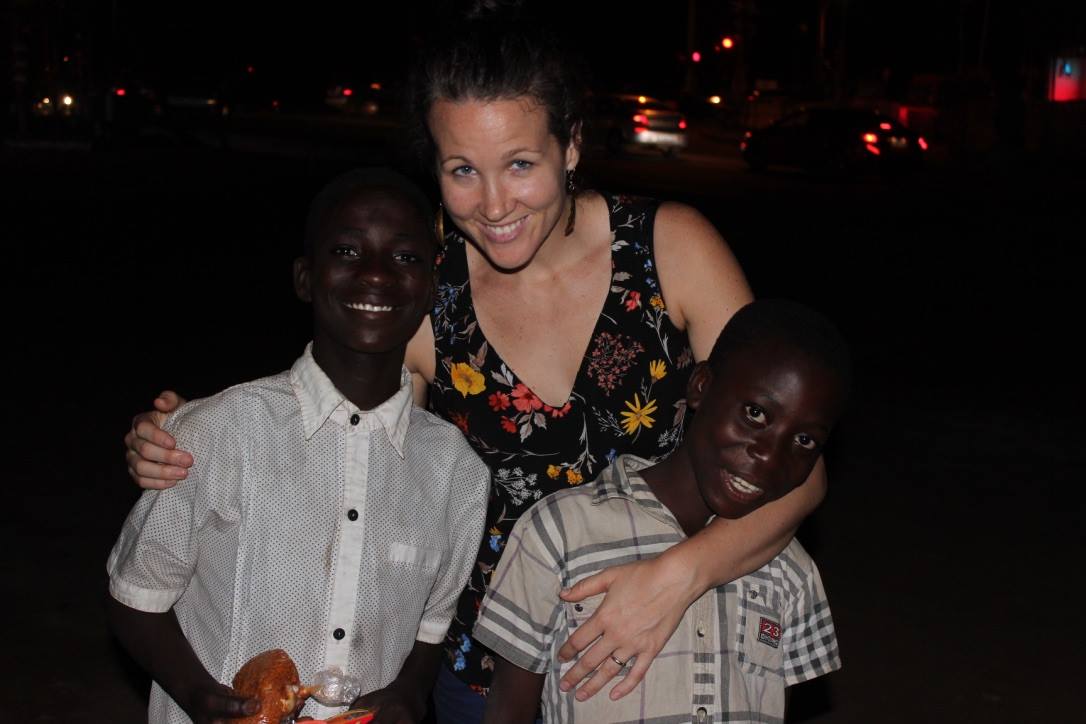
One Saturday, TK asked Patrick if he would consider going back to school. This question stirred both excitement and fear. For years, Patrick had hoped someone would truly help him, and now that the opportunity was real, it felt overwhelming. When Patrick finally said yes, TK welcomed him into his own home, where he lived with three other boys who had lived on the street. At the time, TK was determined to get children off the streets, and opening his home was the only feasible solution. For Patrick, it marked a turning point; for the first time in a long while, he felt safe, loved, and genuinely cared for.
TK then began gathering information about Patrick's family with the hope of reuniting them. At first, Patrick was hesitant. The pain and fear from his past made him unsure about reconnecting. Over time, as he began to feel safe and supported, he became more open and shared details about his father.
-
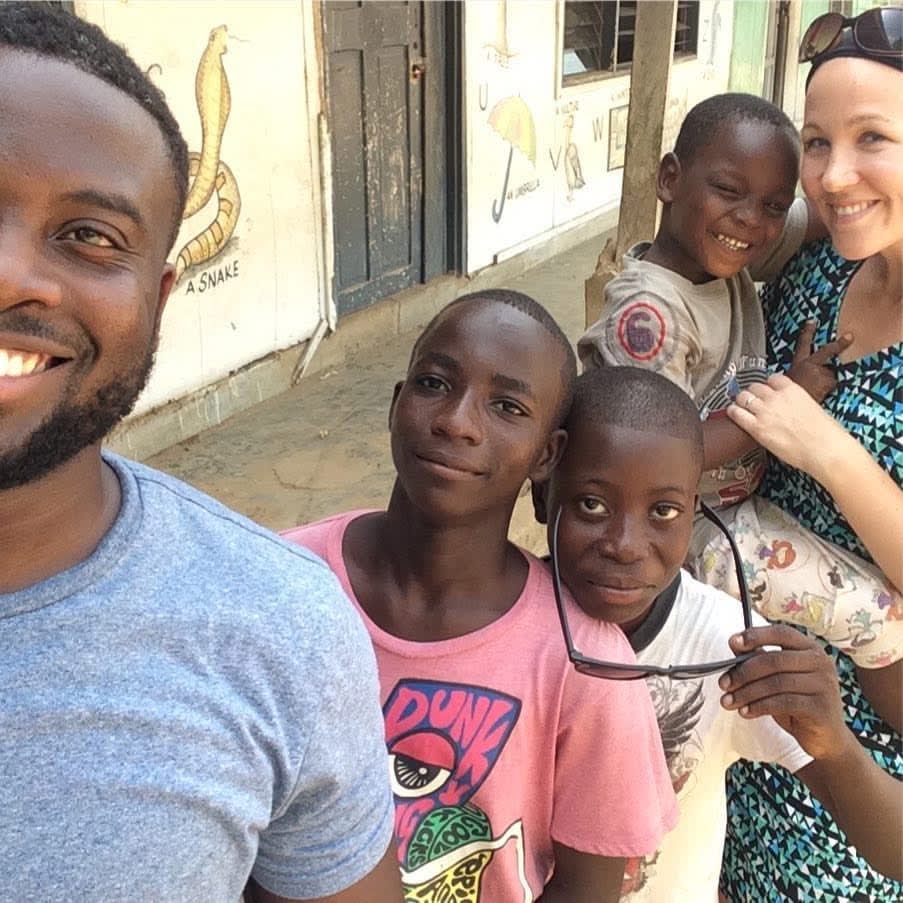
Living with TK and Nicky is the healing I needed
Patrick begun to rebuild his life and he became hopeful of a better future while he lived with TK. "I learnt so much living with Bruh TK, he cared for me like I was his own son. He liked teaching me and it made me happy." Eventually, Patrick was reunited with his father and as TK explained his plan to enroll him in school, his father agreed that Patrick should continue staying under TK’s care so he could attend school and have his basic needs met.
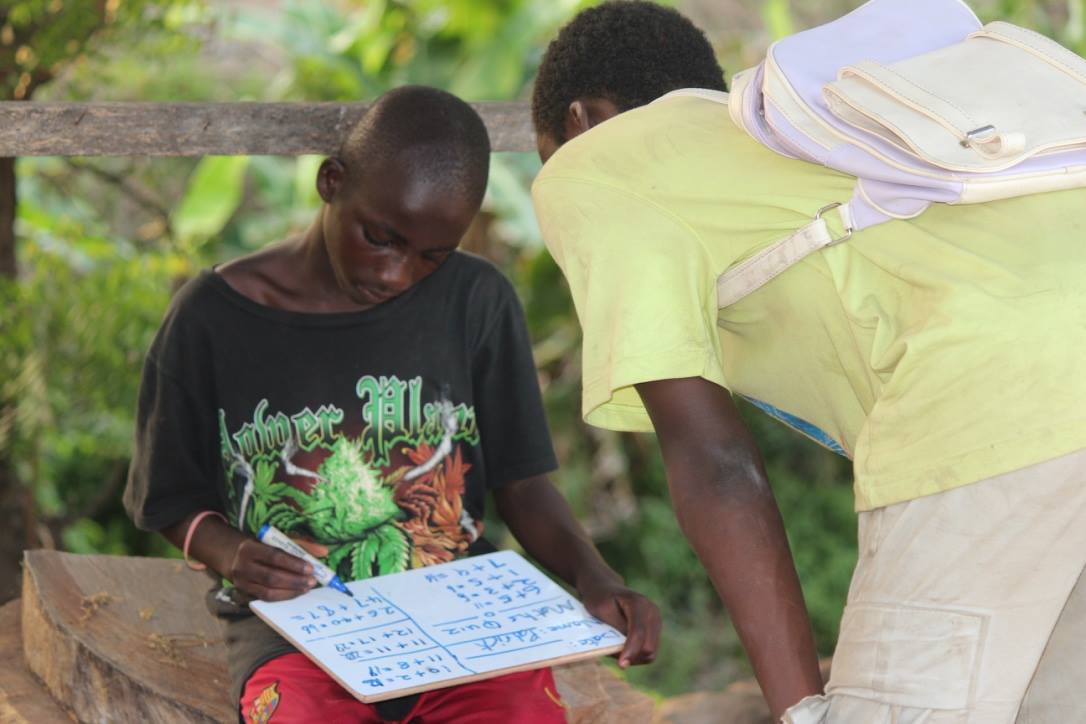
Patrick and Cyril were then welcomed into the home of TK’s grandmother in the Volta Region, where they were supported as they transitioned back into formal schooling. However, adjusting to school was not easy. Patrick was older than many of his classmates and had been out of school for years. There were moments when he felt discouraged and thought about running away. But being far from Accra, with nowhere else to go, pushed him to stay and keep trying. Cyril continued to support him with studying at home, and his English teacher, Sir Wisdom, played a key role by offering extra guidance and encouragement. Patrick was especially determined to improve his English, building on what he had started learning from Cyril while they were still on the streets.
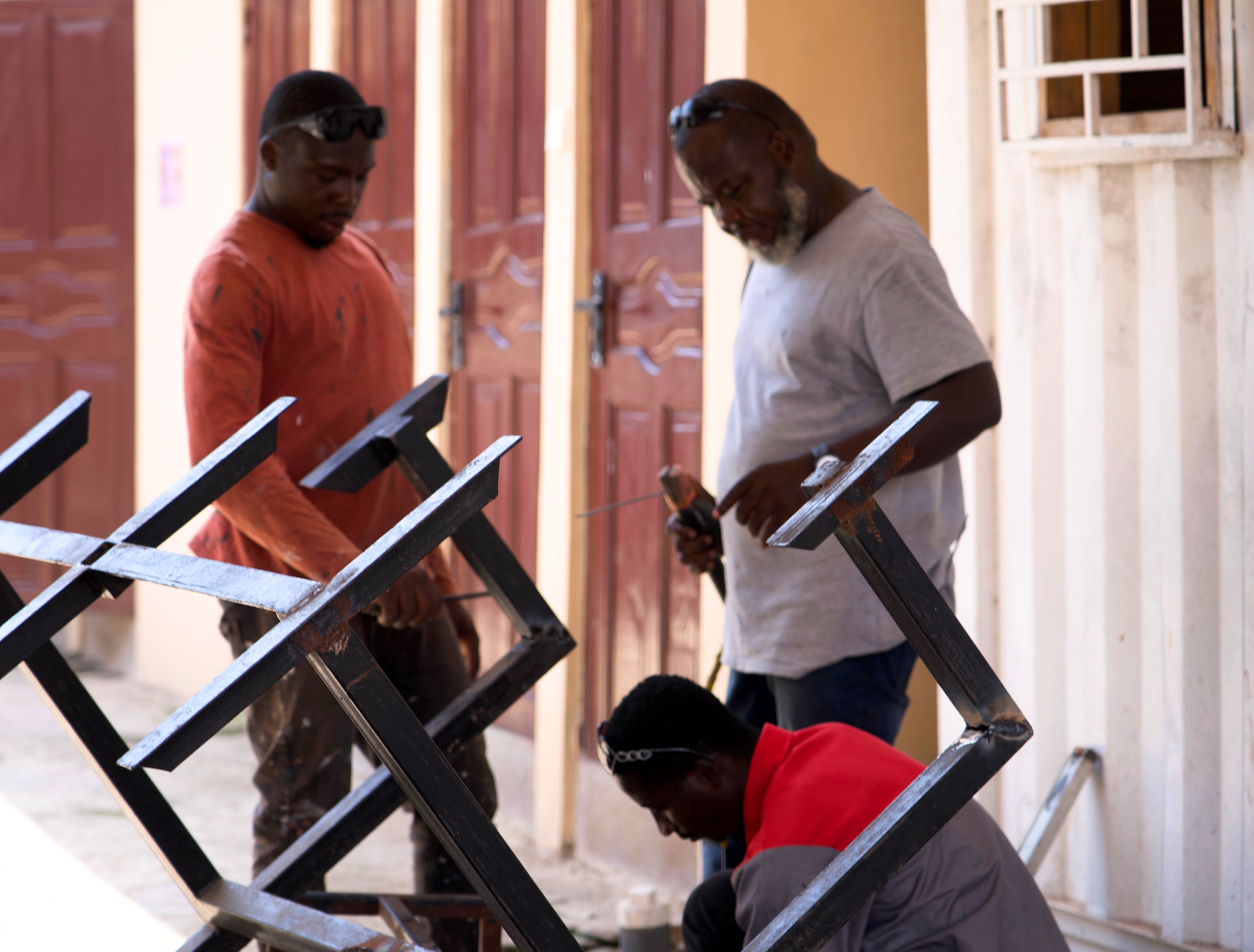
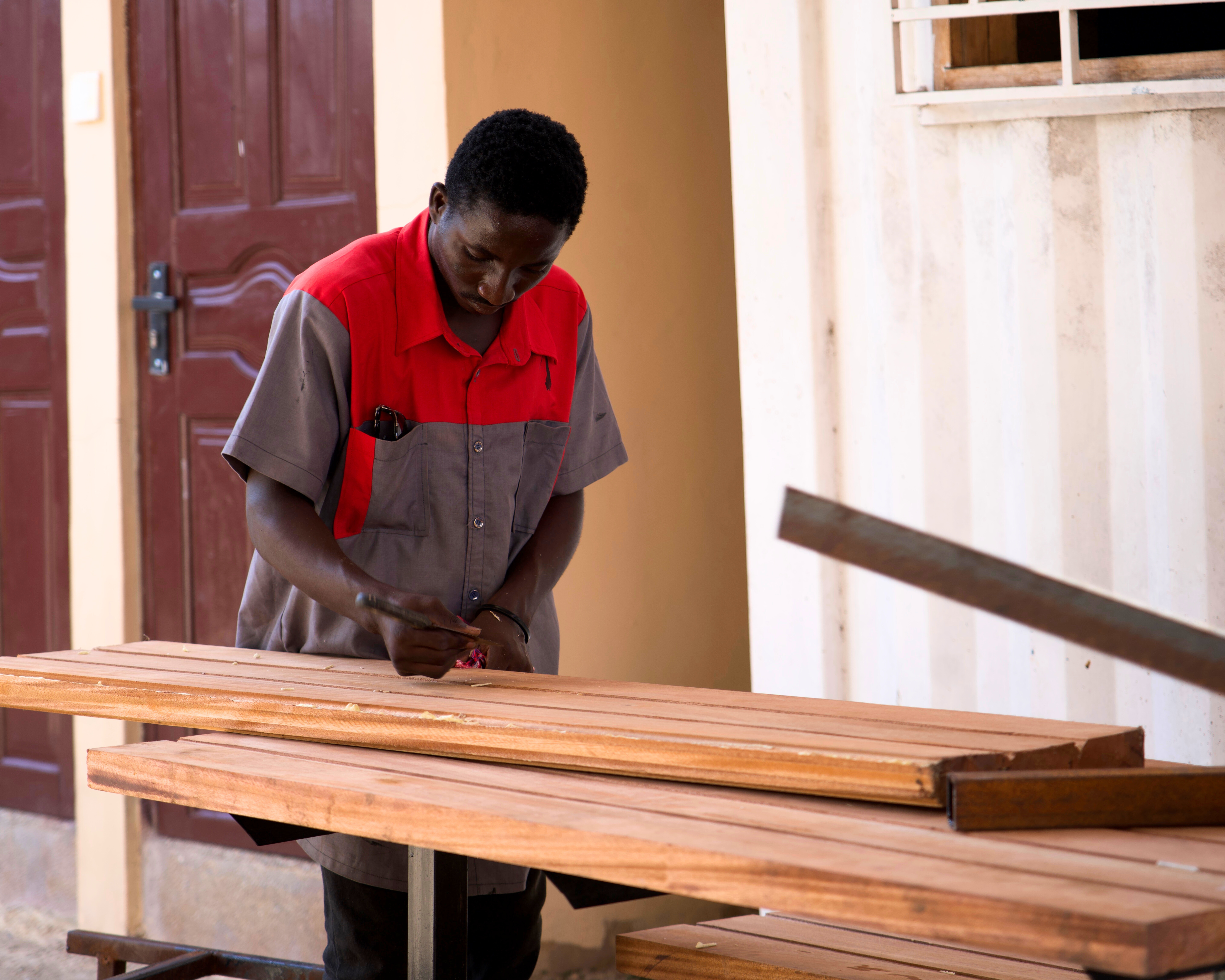
After Patrick completed his basic education, he later went on to attend Komboni Senior High School, where he studied Building and Construction for three years. Today, Patrick supports Norviwo Fabrication, where he assists in making picnic benches that are sold to generate income for running programs at Future of Africa. He also gives back by supporting street outreach efforts, meeting young boys still on the streets and encouraging them to focus on leaving street life behind. Within the FOA program, Patrick has become a role model for younger residents—someone who understands their struggles and shows, through his own journey, that change is possible.