After years of hardship and life on the streets, Vivian never stopped believing that she could change her family’s story. Today, she is building the skills and confidence to create the future she has always dreamed of.
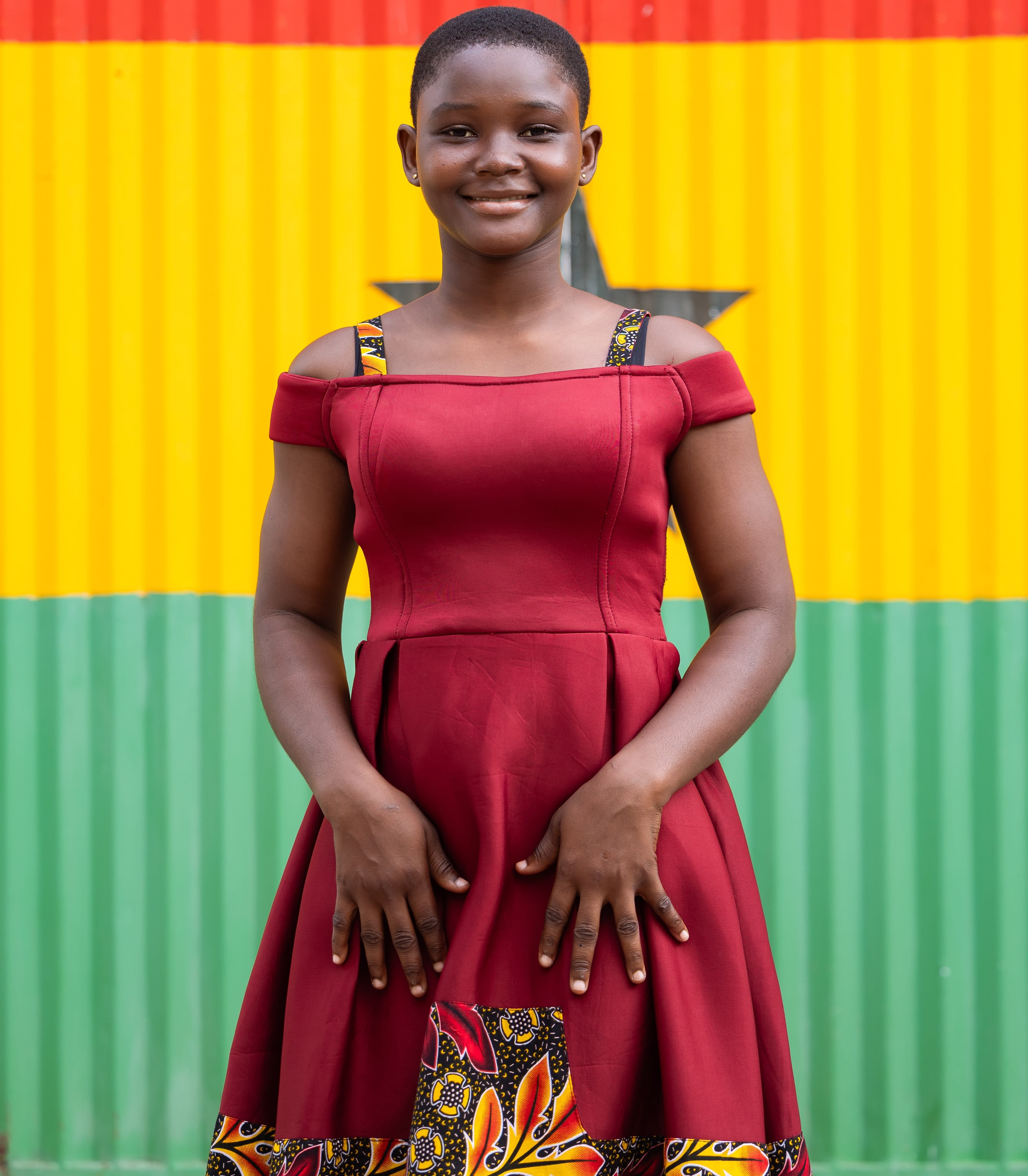
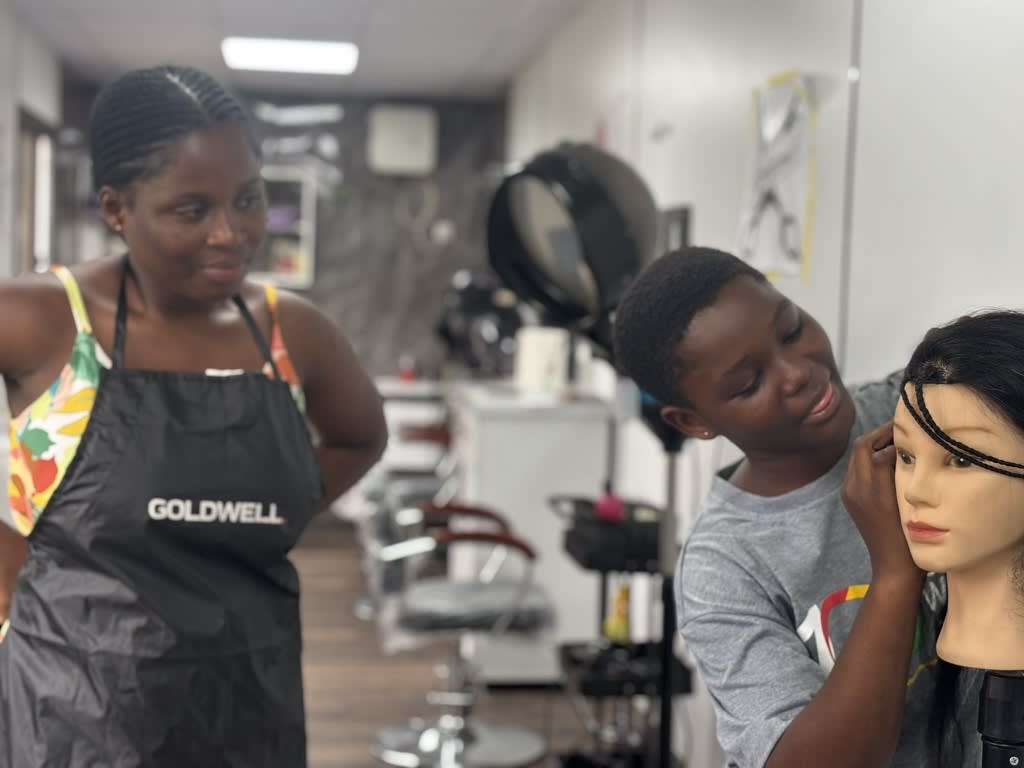
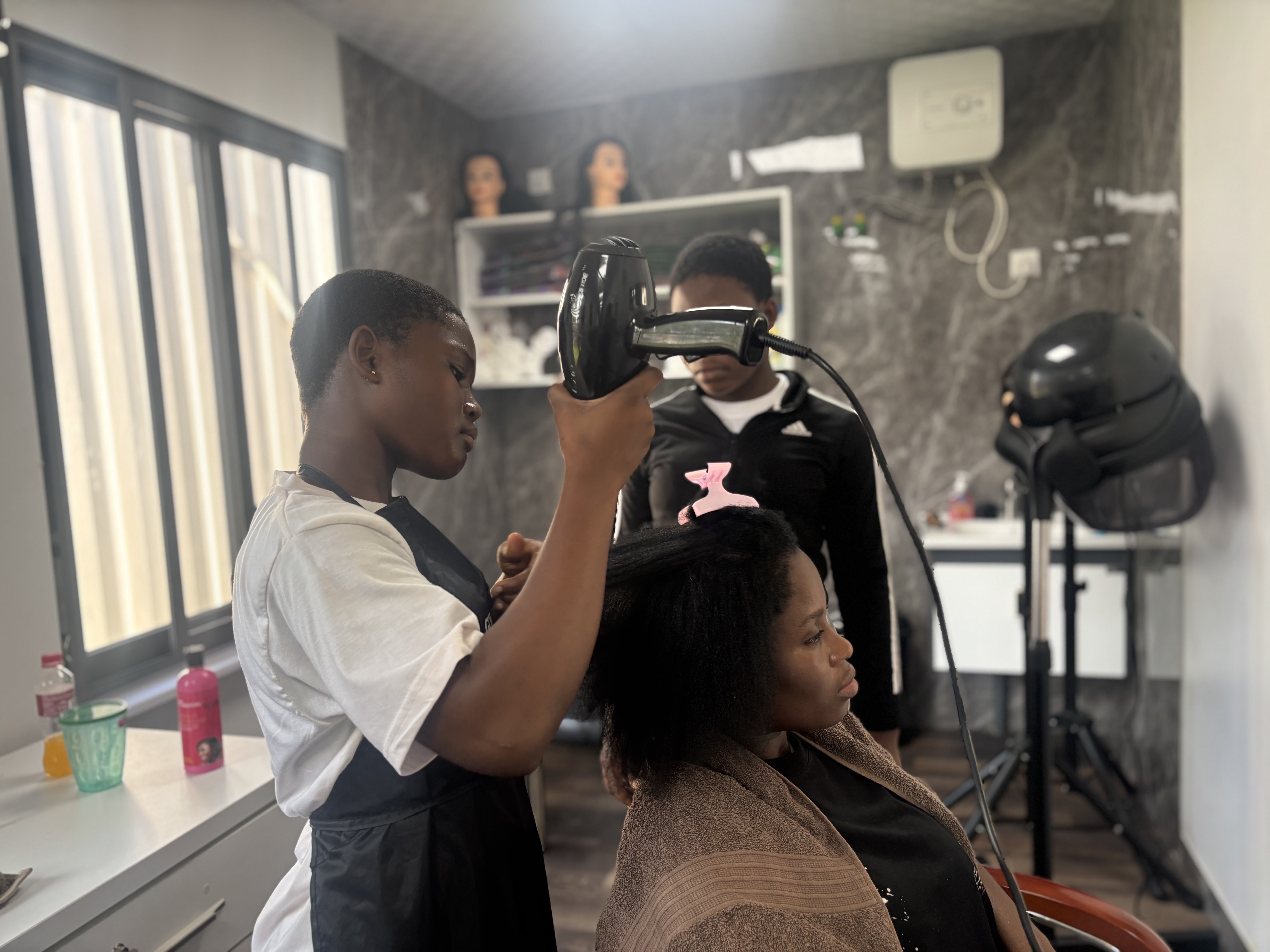
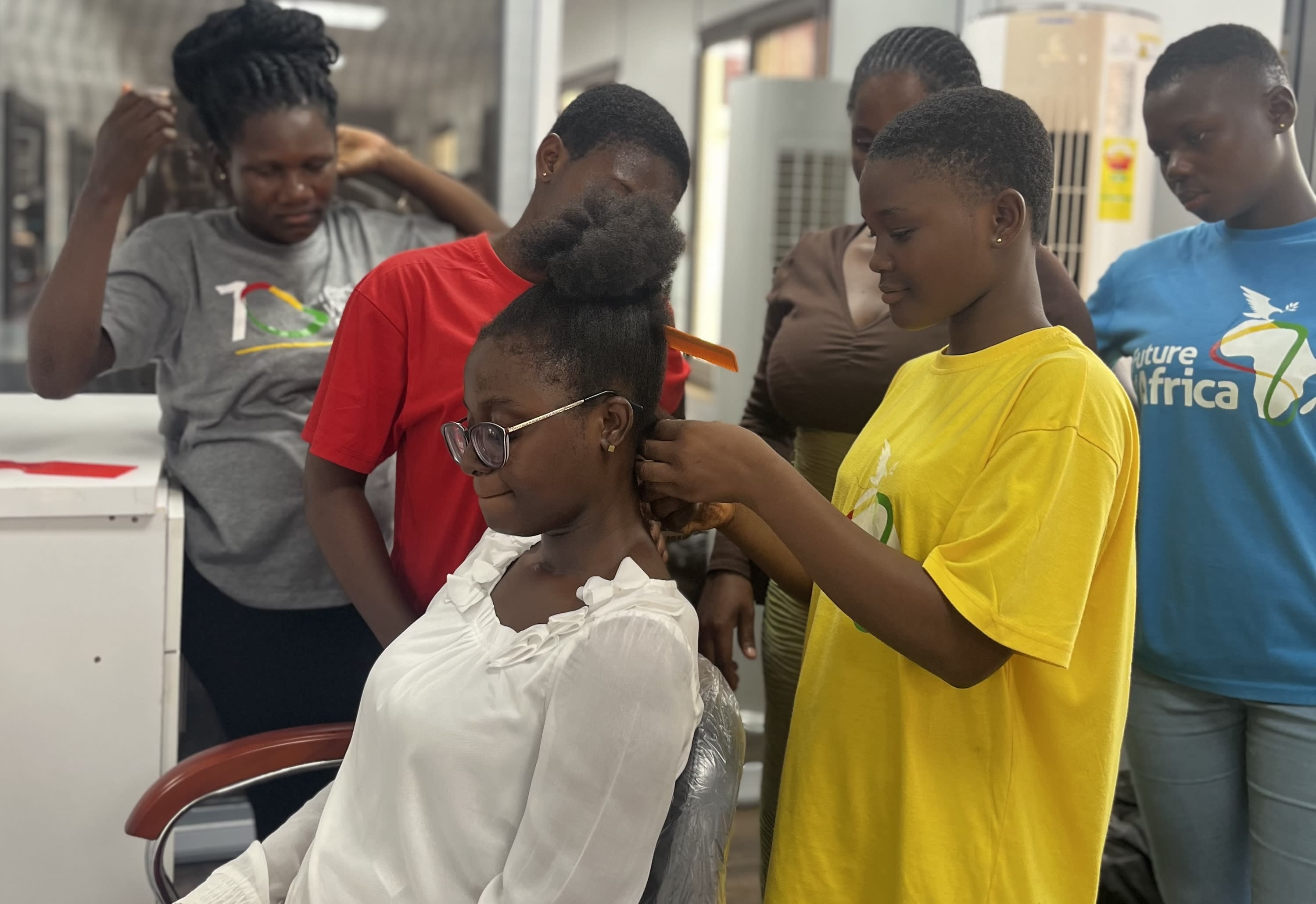
For the past 11 months, Vivian Doku has gained practical skills in hairdressing and natural hair care at the Norviwo Natural Hair Studio, one of Future of Africa's job skills training hubs. Through hands-on training, she has grown in confidence and begun to see a clearer path toward the future she wants.
But Vivian’s journey has not been easy. After three years living on the streets of Accra with her mother, she joined FOA, where she found a safe and stable environment to grow, learn, and begin building a different future. Through every challenge, Vivian held onto one belief, that she could change her family’s story.
Vivian was born in Adosu in the Eastern Region, and lived with both of her parents until she was four years old when her parents separated. Even at that young age, Vivian remembers the arguments, and the constant fighting at home. When her mother decided to leave the marriage, a long dispute began over who would keep Vivian and her 2 siblings. Her father, a trader who often travelled for days, refused to let them leave, despite rarely being home. Eventually, her mother remarried, and she was able to take Vivian and her brothers to live with her.
For the next two years, life became more stable. Vivian got along well with her stepfather and enjoyed having a peaceful home. But things changed again when he lost his job. With three children to care for, the family struggled to make ends meet. To ease the pressure while he searched for work, he suggested that Vivian and her brother stay with their grandparents in the village.
Living with her grandfather became one of the most difficult periods of Vivian’s childhood. He was physically and verbally abusive, often beating her and her brothers for small mistakes. Some days, he would send them to school without money for food as punishment, leaving them hungry throughout the day. Eventually, Vivian found the courage to tell her mother what was happening. Her mother responded quickly and moved Vivian to live with her grandmother in Doryumu, although her brother remained with their grandfather.
While living with her grandmother, Vivian helped her cook and sell waakye. Even after school resumed, she continued to take on these responsibilities. She often woke up as early as 3:00 a.m. to help prepare waakye before going back to bed. Then at day break, she helped carry the food to the market, returned home to fetch water and clean the house, and then headed off to school. At just ten years old, Vivian carried responsibilities far beyond her age. Around this time, her mother's second marriage also broke down, and her mother moved in with Vivian and her grandmother, allowing them to be together once again.
Not long after, Vivian’s home became unbearable again. Her mother and grandmother were constantly arguing, and the situation grew worse when her grandmother became physically abusive toward her mother. When her mother decided they had to leave, Vivian had no choice but to follow, even though they had nowhere else to go. Together with her mother and siblings, they moved to Kantamanto market and began living on the streets.
Life on the streets of Kantamanto was a daily struggle. The only way Vivian's family survived was through the little money her mother earned selling prekese, a local spice, in the market. It was never enough to care for the whole family, but her mother did everything she could. Some days, they managed only one meal. Wanting to help, Vivian tried to earn money by selling goods for market women, but many shop owners were reluctant to trust her with their products or money.
The hardest part of life on the street wasn't just the hunger or the rejection. It was having nowhere to call home. After a fire destroyed a small shed where she found shelter, Vivian and her family had no choice but to sleep in the open space on the abandoned railway line outside the market. Cold nights and frequent rains exposed Vivian and her siblings to illnesses such as flu and malaria. But through it all, her mother remained her source of strength. Her presence gave Vivian a sense of safety in an environment where young girls faced many dangers, including the risk of sexual violence. Her mother protected her as much as she could and reminded Vivian that they would get through the hardship together.
-
My brother told me that there was an NGO that came to the streets every Sunday evening at 6 pm to share food and interact with the street children so I decided to give it a try. Thats when I met Madam Tracy and told her I want to join the program.
It was after a fire outbreak at the market that Vivian dropped out of school completely. For about two weeks her mother and her struggled each night to find a space to sleep, and to recover from losses caused by the fire. Though Vivian tried to be consistent in school, it was difficult to learn, and keep up with grades, moreover, she was eager to find a way to support her mother.
In 2024, Vivian was introduced to FOA through her brother, who had participated in the organisation’s street outreach programme at Kantamanto. He told her about the games, conversations, and activities that FOA staff and volunteers organised on the streets every Sunday. The following week, Vivian joined her brother at the outreach. Because she already knew many of the young people there, she quickly felt comfortable participating in the games and activities. Tracy, FOA’s Street Outreach Coordinator, noticed that Vivian was new to the group and took time to sit with her and understand her story. After speaking with Vivian for more than 30 minutes, Tracy encouraged her to keep coming to the outreach.
Over the following months, Vivian became more familiar with FOA and the support available to her. She was offered support by another organisation to return to school, including help with her fees. While she appreciated the opportunity, Vivian had always believed she was good with her hands and had already begun dreaming of becoming a hairstylist. When Tracy explained FOA’s vocational training programme, Vivian saw an opportunity that aligned more closely with the future she wanted.
-
I had always felt like I was really good at doing things with my hands. I had started dreaming about becoming a hair stylist, so when Madam Tracy explained the FOA program and the vocational skills I could learn, I was more interested in their support.
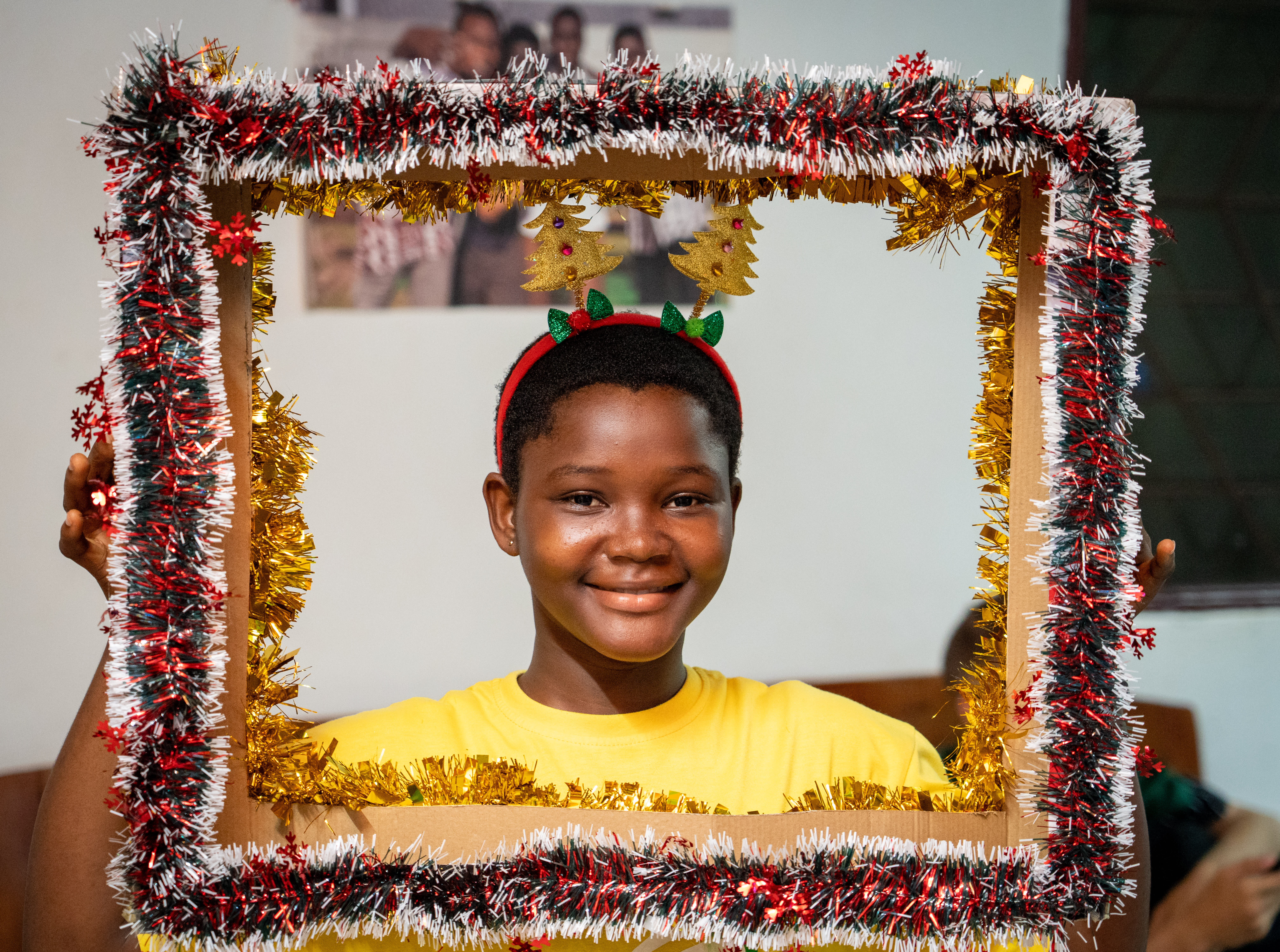
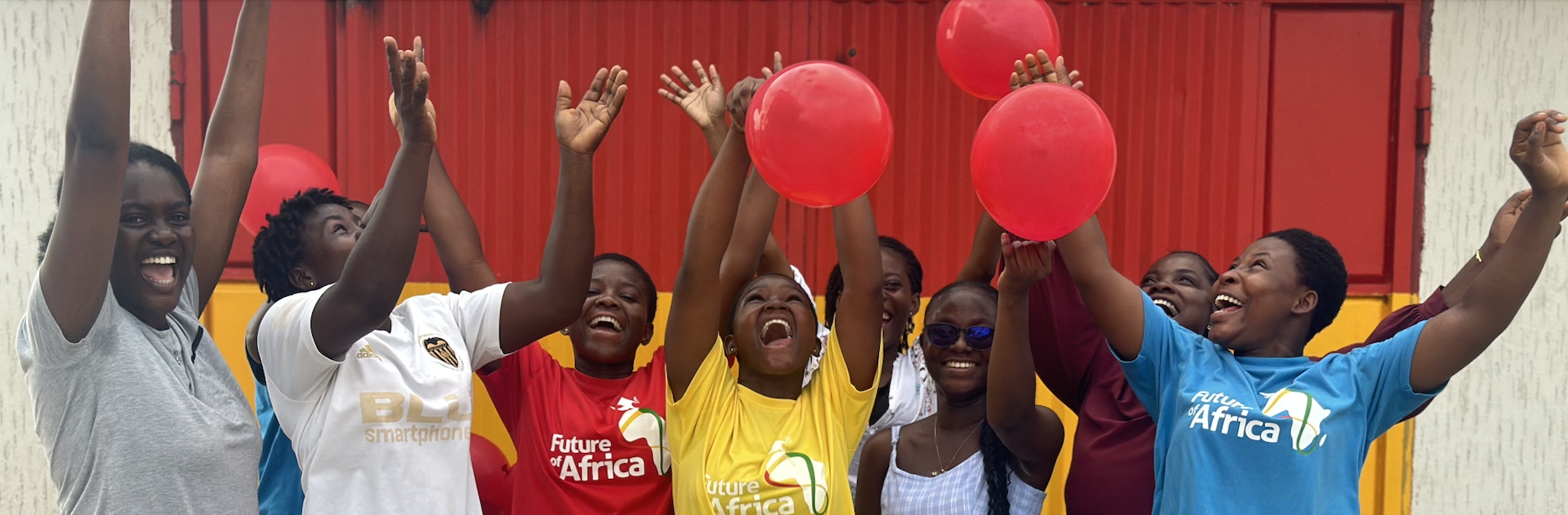
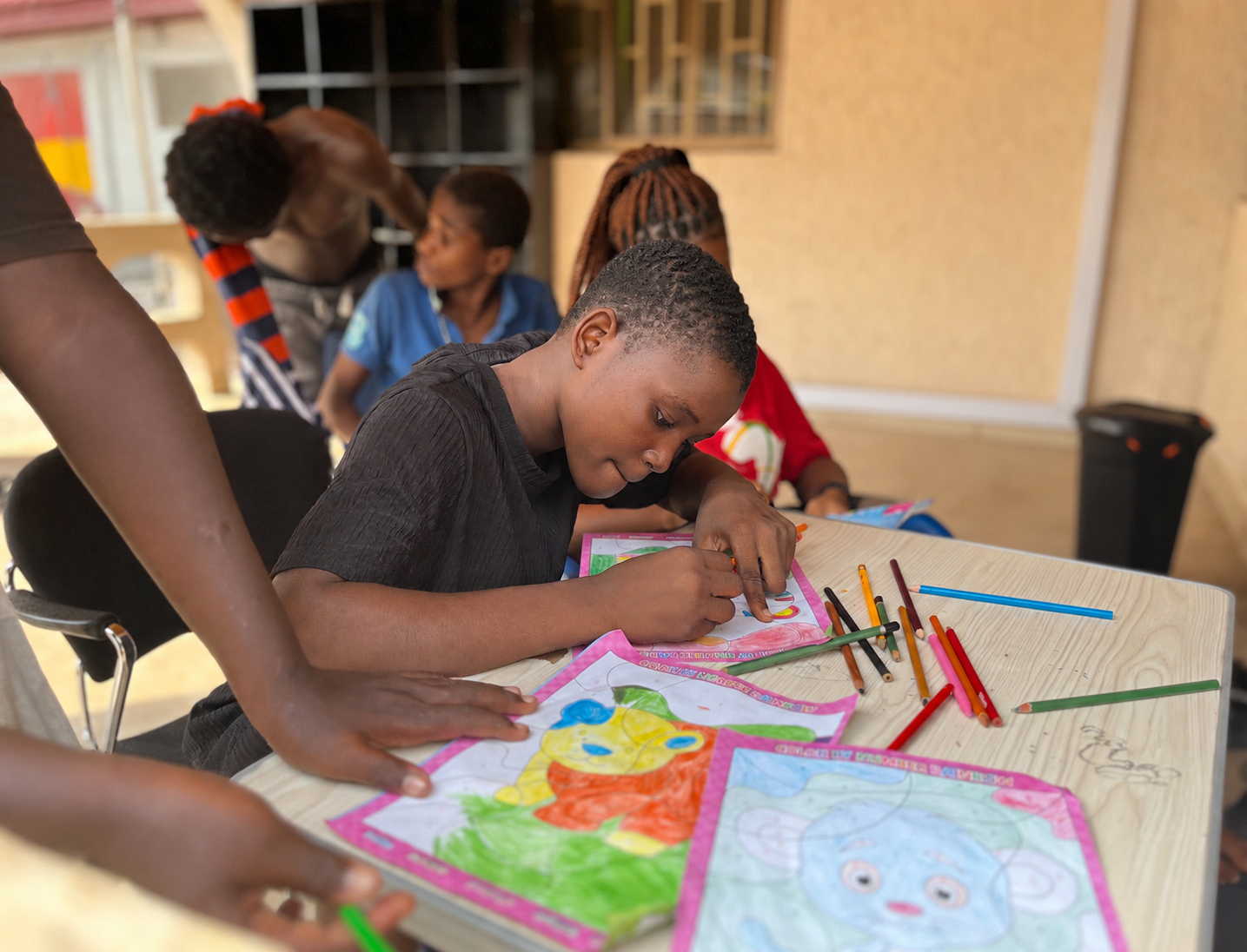
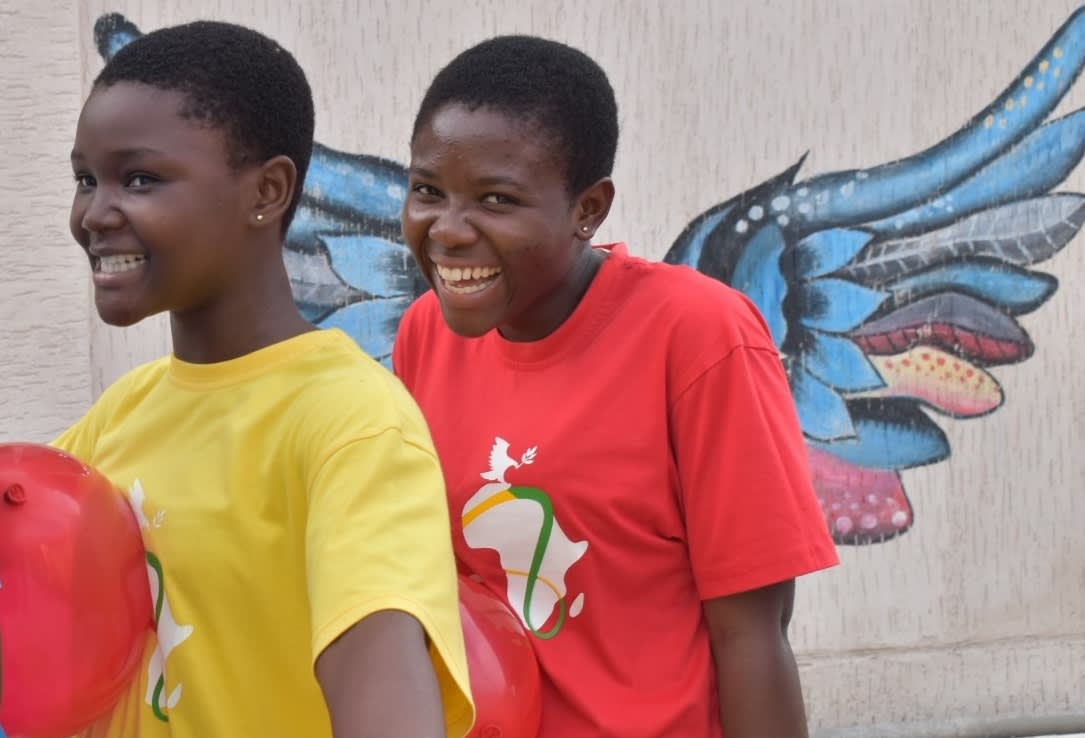
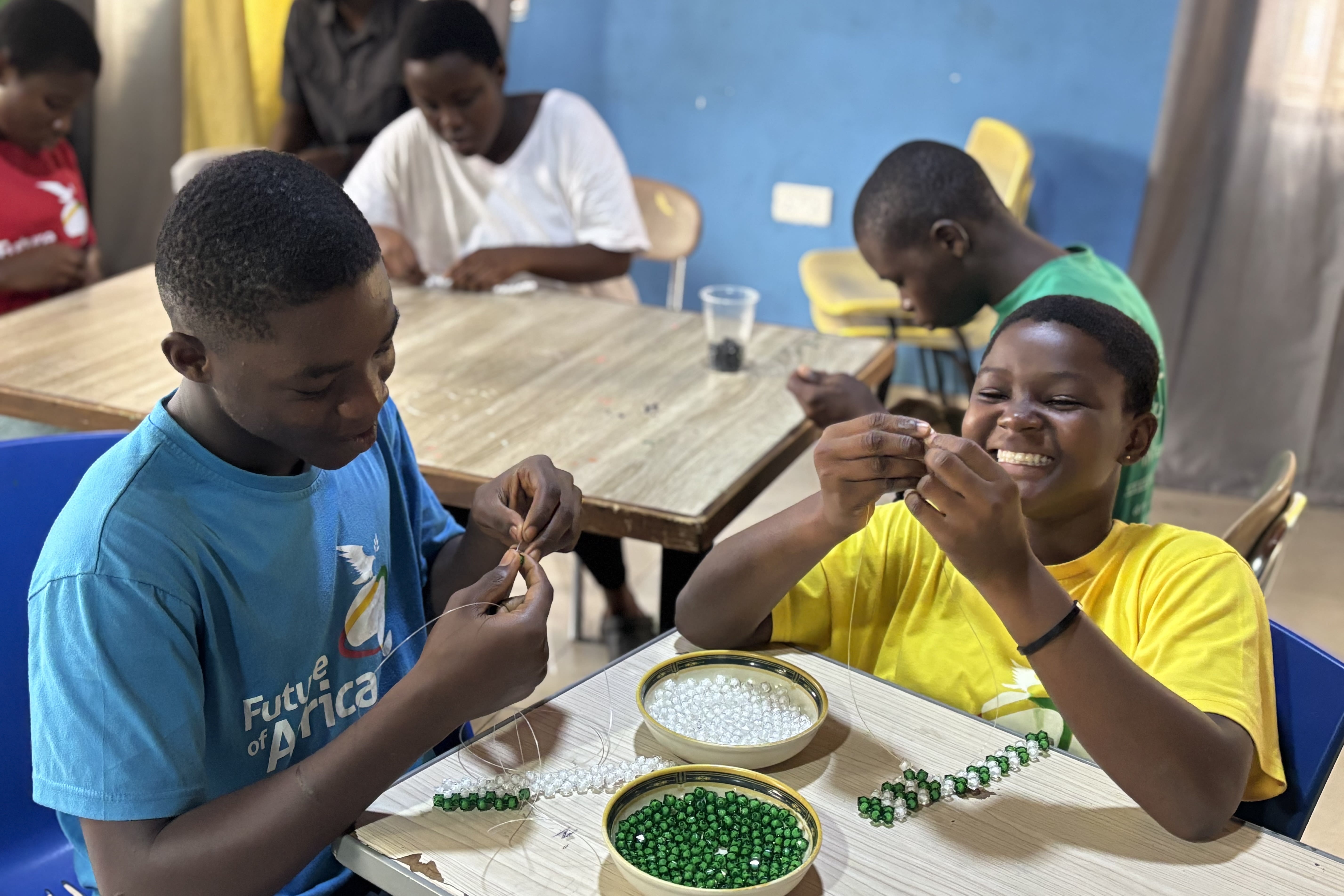
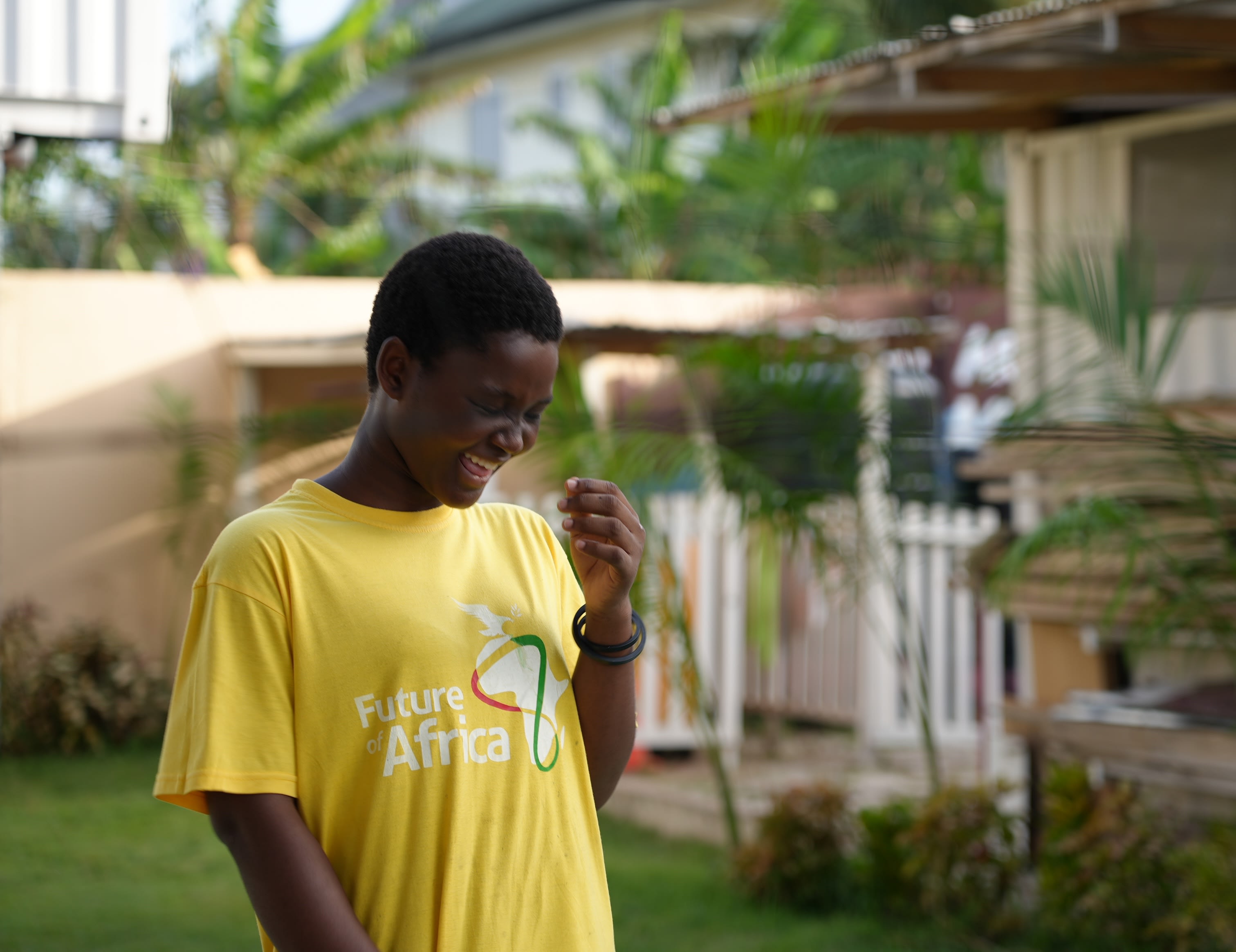
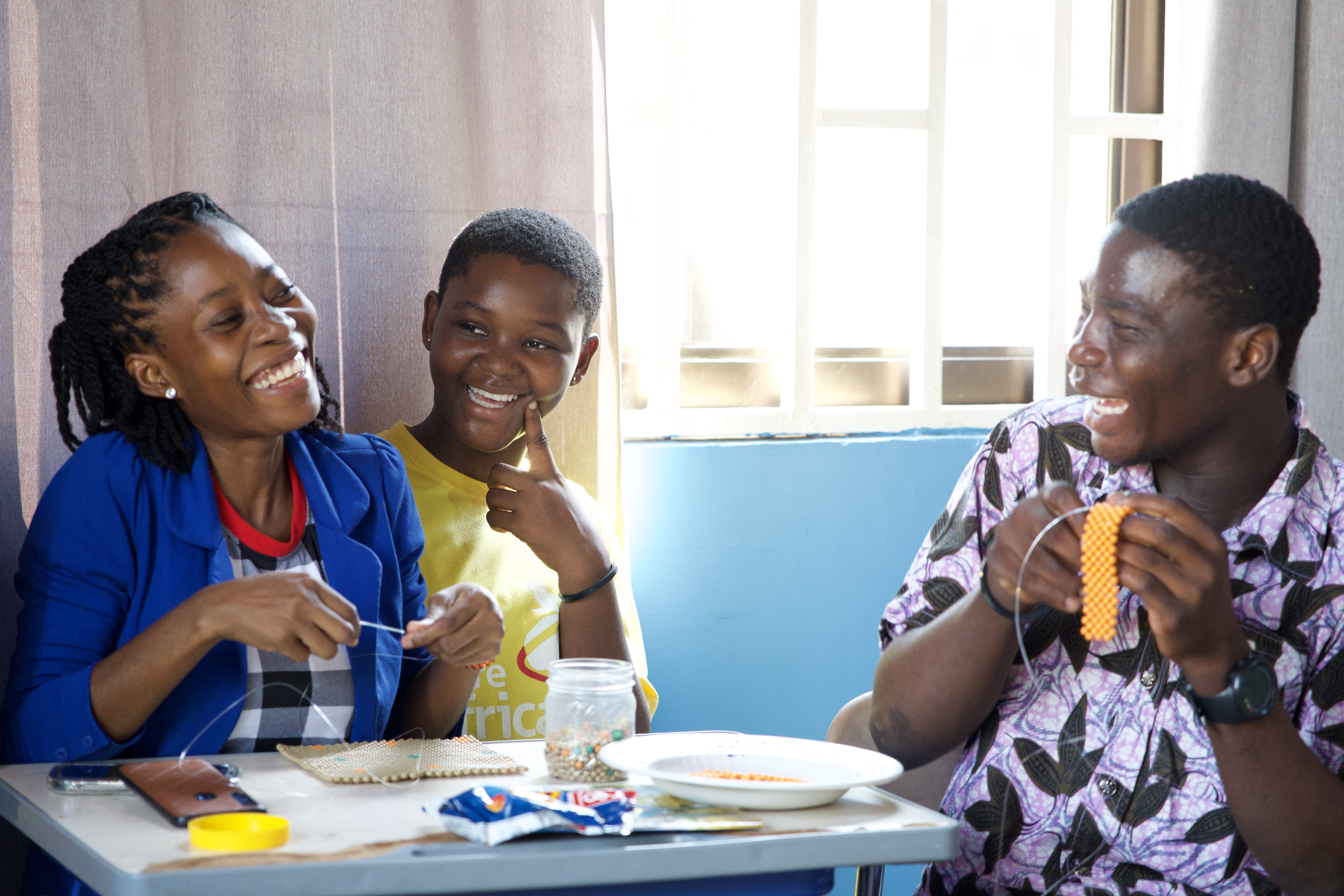
In 2025, Vivian joined the Norviwo Job Skills Programme and began a new chapter in her life. Since leaving the streets, she has found a sense of belonging at FOA and built close relationships with the other girls, especially her friend Christabel, whom she now considers a sister. She is also beginning to experience the simple joys of being a young person. On weekends, she enjoys watching movies with the other residents after a week of working on her literacy and numeracy skills.
Her greatest growth, however, has come through vocational training. At the Norviwo Natural Hair Studio, Vivian has developed practical skills in caring for natural hair. She can now wash hair, provide scalp massages, and create cornrows, rasta, and twists. With each new skill, her confidence continues to grow.
Today, Vivian is focused on completing her training, finding employment, and eventually starting her own business. Her goal is clear: to become financially independent, support her mother, and help her family move beyond poverty. For Vivian, learning a skill is about more than preparing for a job. It is about having the opportunity to shape her own future. After years of instability and hardship, she now has a safe place to grow, a skill to build on, and a dream she believes she can achieve.